Saskatchewan Association of Osteopaths
Mission Statement
The SAO's mission is to advance the profession of osteopathic manual therapy by unifying its members and educating the public.
The SAO is committed to setting the standards of manual osteopathic practice in Saskatchewan specific to osteopathic therapy, but its practice demands the body be addressed as a whole unit and consideration be given to all of its components: Body, Mind, and Spirit.
What is Osteopathy?
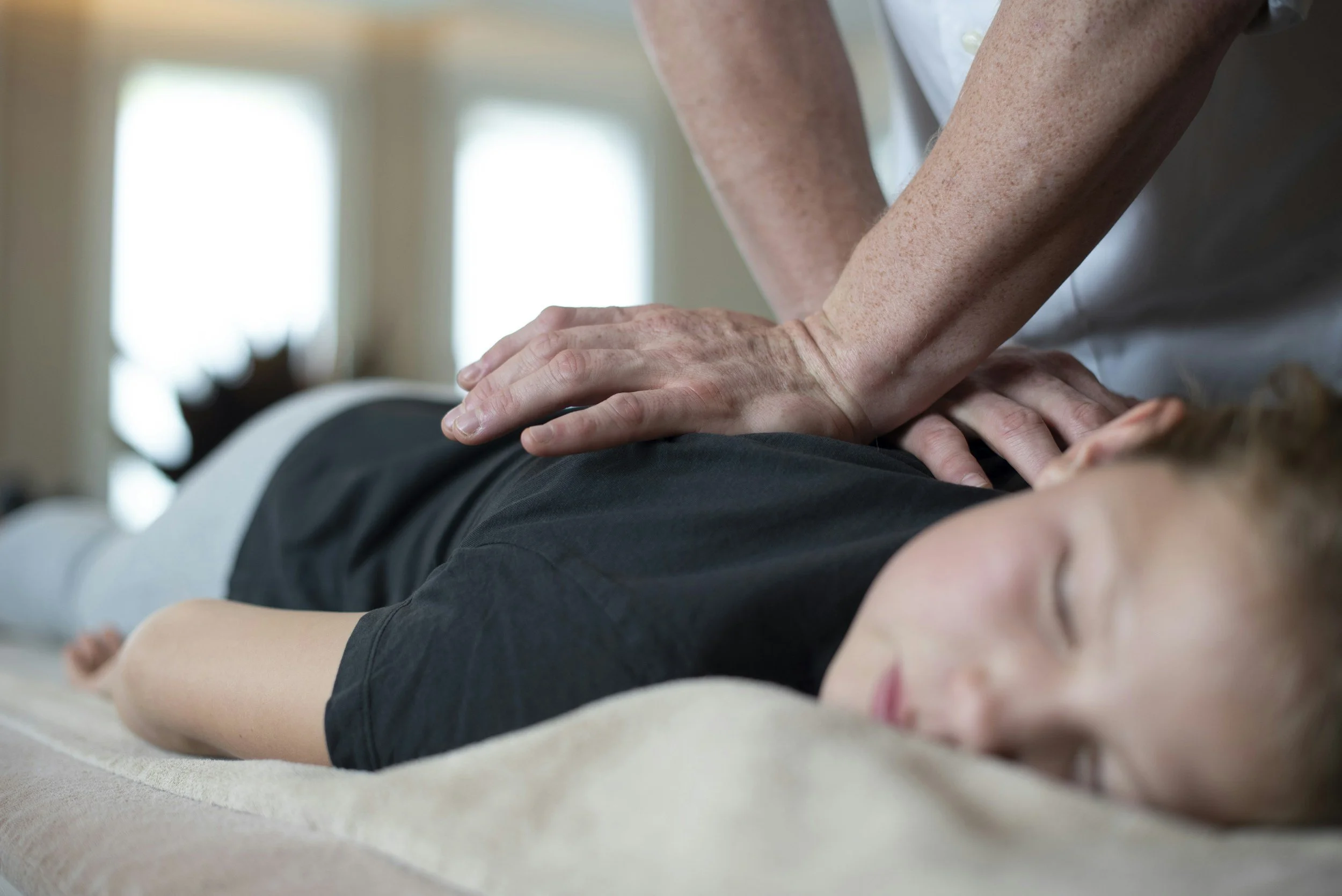
Osteopathy is a patient-centred system of manual healthcare that recognizes the relationship between the body's structure, movement, and function. Rather than focusing only on the area where symptoms are experienced, osteopathic manual practitioners assess how the body functions as an integrated whole.
Using skilled hands-on assessment and treatment, osteopathic manual therapy aims to improve mobility, reduce mechanical strain, support circulation and nervous system function, and encourage the body's natural ability to adapt and recover. Treatment is individualized, taking into account each person's health history, lifestyle, goals, and clinical presentation.Recognized Osteopathic Educational Institutions
A Brief History of Osteopathy
Osteopathy was developed in the United States by Andrew Taylor Still, a physician and surgeon, in the late 19th century. In 1874, Still introduced an approach to healthcare based on the relationship between the structure and function of the body, consideration of the person as a whole, and the body's capacity for self-regulation and healing.
In 1892, Still established the American School of Osteopathy in Kirksville, Missouri, where osteopathic education was formally established.
Since its founding more than 150 years ago, osteopathy has developed in different ways across different countries. While its philosophical foundations remain rooted in the relationship between structure, function, and the body's capacity for health, educational pathways, scope of practice, and regulation have evolved according to each country's healthcare system. In the United States, it was amalgamated into osteopathic medicine, with Doctors of Osteopathic Medicine (DOs) becoming fully licensed physicians. In other countries, including Canada, New Zealand, Australia and many countries in Europe, osteopathy developed primarily as a manual healthcare profession.
Osteopathy was introduced into Canada as a manual practice in 1981, when a French osteopath established the first traditional manual osteopathy college in Montreal.
The profession continues to develop through research, clinical experience, education and the integration of new knowledge. Research in osteopathy contributes to the evolution of clinical practice, development of evidence-informed care, education and understanding of patient outcomes.
The Saskatchewan Association of Osteopaths
The Saskatchewan Association of Osteopaths (SAO) is the professional association representing qualified Osteopathic Manual Practitioners in Saskatchewan.
Established in 2013, the SAO exists to protect the public by promoting high standards of education, ethical practice, professional accountability, and continuing professional development. The Association also works to increase public understanding of osteopathy, support its members in delivering safe and effective care, and advance the profession within Saskatchewan.
The SAO is a member of the Canadian Federation of Osteopaths (CFO), the national organization representing provincial and territorial osteopathic associations across Canada. Through the CFO, the SAO participates in national initiatives that support professional standards, public education, research and the continued development of osteopathy in Canada.
Osteopathic Education in Canada
The practice of osteopathic manual therapy in Canada continues to evolve. While educational opportunities continue to grow, there are, as of yet, no accredited educational programs for manual osteopathic education across the country. As a result, programs differ considerably in their admission requirements, curriculum, supervised clinical training, and graduate competencies.
For this reason, the Saskatchewan Association of Osteopaths places significant importance on educational quality.
The SAO requires practising members to maintain affiliate membership with the Ontario Association of Osteopathic Manual Practitioners (OAO). Through this requirement, all practising members have undergone an independent credential review demonstrating that their education meets the OAO's published admission standards, in addition to meeting ongoing requirements for professional liability insurance, continuing professional development, and adherence to standards of practice and a code of ethics.
In 2020 the Canadian Standards Association published the CSA Z16686 – Osteopathic Healthcare Provision as a National Standard for osteopathic education in Canada. Developed by CSA Group through an accredited consensus process, the standard provides a national framework for osteopathic healthcare and is based on the European Standard EN 16686:2015, with Canadian adaptations, as well as the World Health Organization's Benchmarks for Training in Osteopathy (2010). The Saskatchewan Association of Osteopaths is proud to have contributed to this work through its membership in the Canadian Federation of Osteopaths. Representatives from the CFO participated throughout the development of the National Standard, helping ensure that the perspective of Canada's manual osteopathic profession was represented during the consensus process.

Why Association Membership Matters
When choosing an Osteopathic Manual Practitioner, patients should consider more than the title a practitioner uses.
Members of the SAO
Every patient deserves to know that the healthcare professional they choose has received comprehensive education, practises ethically, remains current through continuing education, and is accountable for the care they provide. The Saskatchewan Association of Osteopaths exists to support those expectations.
Membership in the Saskatchewan Association of Osteopaths provides patients with confidence that these important professional standards have been met.
Regulation in Saskatchewan
Osteopathic manual therapy is regulated differently across Canada because the regulation of healthcare professions falls under provincial and territorial jurisdiction. Each province and territory determines whether and how a profession is regulated.
As a result, there is currently no single national regulatory framework governing osteopathic manual therapy.
In Saskatchewan, osteopathic manual therapy is not currently a regulated health profession, and the title "osteopath" is not protected under provincial legislation. This means that individuals with very different educational backgrounds may describe themselves using similar titles.
The absence of regulation places greater responsibility on patients to evaluate a practitioner's education, professional accountability, and association membership before seeking care.
Professional associations therefore play an important role in public protection.
Members of the Saskatchewan Association of Osteopaths have demonstrated recognized educational qualifications, maintain professional liability insurance, participate in continuing professional development, and agree to practise according to established Standards of Practice and a Code of Ethics. The Association also provides processes for professional accountability and public concerns.
While professional association membership is not the same as government regulation, it offers patients an important measure of confidence that practitioners have voluntarily committed to recognized professional standards.
Why Association Membership Matters
When choosing an Osteopathic Manual Practitioner, patients should consider more than the title a practitioner uses.
Questions worth asking include:
• What education has the practitioner completed?
• Are they a member of a recognized professional association?
• Do they maintain professional liability insurance?
• Are they required to complete continuing professional development?
• Are they accountable to a code of ethics and standards of practice?
• Is there a process for addressing professional concerns or complaints?
Membership in the Saskatchewan Association of Osteopaths provides patients with confidence that these important professional standards have been met.
How to become a member of the SAO
To become a member of the Saskatchewan Association of Osteopaths (SAO), applicants must meet the SAO's membership requirements and hold Affiliate Membership with the Ontario Association of Osteopathic Manual Practitioners (OAO).
As a relatively small provincial association, the SAO has fewer members and resources than some of the larger provincial osteopathic associations. To support a consistent and sustainable membership process, the SAO utilizes the OAO's established membership requirements and processes as part of its membership criteria.
Applicants must therefore first meet the OAO's eligibility requirements for affiliate membership. These requirements address education and qualifications in osteopathic manual practice, as well as professional and ethical standards.
Once OAO affiliate membership has been established, applicants may apply for membership with the SAO. Applicants must provide documentation of their education and professional qualifications and maintain professional liability insurance of at least $2 million per claim.
SAO members are required to maintain their OAO Affiliate Membership while holding SAO membership and to comply with the professional and ethical requirements applicable to their memberships.
The SAO reviews applications to confirm that applicants meet the Association's membership requirements. This approach allows the SAO to utilize established membership standards and resources while maintaining appropriate educational and professional requirements for practitioners in Saskatchewan.

Verified Members
Regina
Barbara Schultze, DO(MP), D. Sc.O., FAFS, RMT
SAO Membership, Affiliate Membership OAO
Élan Osteopathic Clinic
43 Lockwood Rd.
Regina, SK, S4S 3E9
306-347-3001
Garret Woynarski, DO(MP), RMT, D. Ac
SAO Membership, Affiliate Membership OAO
Osteo-Path
102 - 2631 28th Avenue
Regina, SK S4S 6X3
306-525-2631
Nipawin
Curt Cummings CAT (C), DO(MP)
SAO Membership, Affiliate Membership OAO
Nipawin Athletic Therapy
300 Centre Street
Nipawin SK.
Phone: 306-862-4999
Fax: 306-862-5619
nipawinathletictherapy@sasktel.net
Carlyle
Brittany Dalziel RMT, DO(MP)
SAO Membership, Affiliate Membership OAO
Lotus Tree Wellness and Healing
118 Main Street
Carlyle, SK
Saskatoon
Michelle Kormos DO(MP), D. Sc.O.
SAO Membership, Affiliate Membership OAO
514 Underhill Link
Community of Brighton
Saskatoon, SK
306-292-7240
Laura Borrero DO(MP) D. Sc. O. , B. Sc. N
SAO Membership, Affiliate Membership OAO
Home Based Business. Address sent with bookings.
Currently on Maternity Leave
Taylor Beamish, DO(MP), BSc.
SAO Membership, Affiliate Membership OAO
Origin Chiropractic and Wellness
107A - 3928 8 St E
Saskatoon, SK S7H 5M2
306-986-6916
Devin Gerwing DO(MP)
SAO Membership, Affiliate Membership OAO
Thrive Muscle Health and Wellness
#101 - 1132 College Dr.
Saskatoon, SK S7N 0W2
306-761-4742
www.thrivemusclehealthandwellness.com
Rebecca Cyndroski DO(MP), CAT(c), B. Kin
SAO Membership, Affiliate Membership OAO
1220 8th Street East
Saskatoon, SK S7H 0S6
rebeccacyndroski@gmail.com
________________________________________________________
Student Member
Allie McSymytz
632 9th street -unit 1
Humboldt, SK
306-912-7225
FAQ
Are osteopathic manual therapists qualified as physicians?
No. Osteopathic manual therapists are not physicians and are not members of the College of Physicians and Surgeons of Saskatchewan by virtue of their osteopathic manual therapy education.
Osteopathic physicians (Doctors of Osteopathic Medicine or DOs) are physicians who complete medical education and training in osteopathic medicine. This is a different educational and professional pathway from osteopathic manual practice in Canada.
For information about osteopathic physicians, visit [osteopathic.ca].
What do osteopathic manual therapists treat?
People seek osteopathic manual therapy for a wide range of health and functional concerns. Common reasons include musculoskeletal concerns, pain, mobility and movement restrictions, headaches and migraines, TMJ dysfunction, chronic tension, postural concerns, and breathing or pelvic floor dysfunction.
People may also seek osteopathic care to support recovery and physical performance, including before or after surgery, following injury or concussion, and during pregnancy and the post-natal period. Osteopathic manual therapy may also be sought as supportive care for people living with chronic or complex health conditions.
Osteopathic manual therapists work with people of different ages and at different stages of health. The goals of care are individualized and may include reducing the intensity or frequency of symptoms, improving movement and function, and supporting overall wellbeing.
Osteopathic manual therapy is not intended to replace medical diagnosis or treatment. Practitioners assess each individual and, where appropriate, may recommend consultation with or referral to another healthcare professional.Osteopathic manual therapy focuses on the management, treatment and prevention of musculoskeletal and other related disorders without the use of drugs or surgery. Commonly treated conditions include back and neck pain, postural problems, sporting injuries, muscle and joint deterioration, restricted mobility and occupational ill-health.
Do I need a referral in order to be treated?
A referral is not generally required to see an osteopathic manual therapist. However, some extended health insurance plans may require a referral for reimbursement. Patients should check the requirements of their individual insurance plan.
What age groups is osteopathic manual therapy suitable for?
Osteopathic manual practitioners may work with people across the lifespan. The appropriateness of treatment depends on the individual's age, health status, presenting concerns and clinical assessment.
Patients should discuss their circumstances directly with an osteopathic manual practitioner to determine whether treatment is appropriate.
What is the difference between osteopathic manual therapy, physical therapy and chiropractic?
Osteopathic manual therapy, physiotherapy and chiropractic are distinct healthcare professions, although there are areas of overlap. All may assess and treat musculoskeletal conditions and may use hands-on techniques.
The professions differ in their educational pathways, approaches to assessment and treatment, professional standards and regulatory frameworks.
Patients may choose to consult one or more of these healthcare professionals depending on their individual health concerns and needs.
Where can I find other osteopathic therapists of a similar standard in Canada?
Osteopathic manual practitioners are represented by provincial and territorial associations across Canada. Each association maintains its own membership requirements and, where available, a directory or list of its members who have met the association's requirements.
If you are looking for an osteopathic manual practitioner in another province or territory, you can visit the website of the relevant provincial or territorial association to find information about its members and practitioners.
A current list of the provincial and territorial associations that are members of the Canadian Federation of Osteopaths (CFO) can be found on the CFO website.